
Celebrating Our Civet Diversity in Singapore for World Civet Day

Article by civet researchers from NUS Toddycats — Xu Weiting, Instructor at the Department of Biological Sciences, National University of Singapore, and Fung Tze Kwan, seed dispersal ecologist, Civet Working Group, IUCN SSC Small Carnivore Specialist Group
Did you know that April 4th is World Civet Day? This global awareness day, led by The Civet Project, celebrates the wonderful diversity of civets and the important roles they play in nature. It raises awareness of these often overlooked nocturnal mammals and the threats that they face, including exploitation for civet coffee, hunting for bushmeat and conflicts with humans.

The theme for 2026, “Healthy Civets, Healthy Planet”, reminds us that when civets thrive, ecosystems do too. These small to medium-sized mammals help forests grow by dispersing seeds and controlling pests. However, when their numbers decline, these ecosystem functions and natural processes can be disrupted, affecting the health of our environment.

This #WorldCivetDay, we introduce five civet species that have been recorded in Singapore:
Sumatran Palm Civet (Paradoxurus musangus) - the most commonly seen civet species in both urban areas and forests
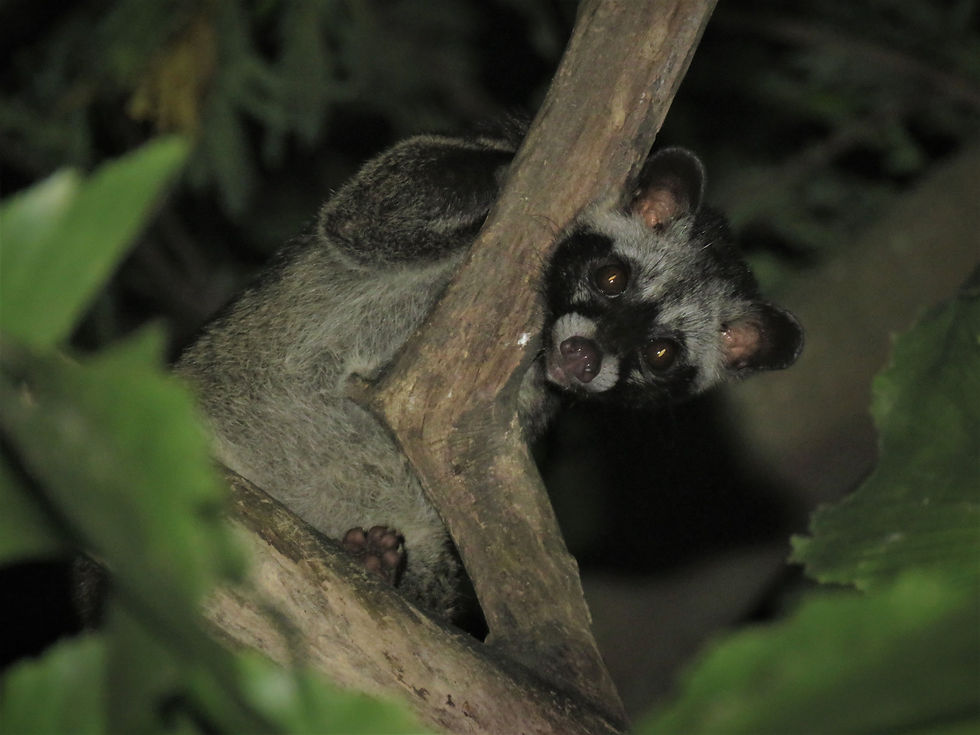
Sumatran Palm Civet (Paradoxurus musangus) (Photo by Fung Tze Kwan) Small-toothed Palm Civet (Arctogalidia trivirgata)- the second most common species, typically seen in or near nature reserves
Malay Civet (Viverra tangalunga) - captured on a camera trap in the Central Catchment Nature Reserve in 2012
Masked Palm Civet (Paguma larvata) - documented as a roadkill incident on PIE near Adam Road in 2021
Large Indian Civet (Viverra zibetha) - last recorded in 1990, recorded as one individual that was found in a trap at Jalan Bahar, with no confirmed sighting since

If you care about civets and want to help protect them, here are three simple but impactful actions you can take:
Avoid civet coffee (kopi luwak). Do not purchase civet coffee or kopi luwak products locally. When travelling, avoid purchasing civet coffee as a travel souvenir or joining civet coffee tours. Most kopi luwak (“civet poop coffee”) is produced by capturing wild civets and housing them in cramped and poor living conditions, where they are fed coffee cherries to meet the high tourist demands (Carder et al., 2016).
Many people are unaware of the cruelty behind the civet coffee trade. To learn more, you can explore resources from Project Luwak and The Civet Project for more information on this issue.
Drive carefully near green spaces. Civets, like many wildlife species, will sometimes cross roads to move between forest patches. Fast-moving vehicles can lead to roadkill, so stay alert when driving near forested areas.
Support ecosystem restoration. Help recreate suitable habitats for civets by supporting tree planting and restoration efforts. Join volunteer activities with the NUS Toddycats, which include planting sessions as part of the One Million Tree movement in partnership with NParks and NUS. Check out this calendar of activities for upcoming sessions and get involved!


“From seed dispersal to pest control, our friendly neighbour viverrids play a fundamental role in our ecosystems. Come and help us protect civets for the health of wildlife, the people, and the planet.” — Civet Working Group, IUCN SSC Small Carnivore Specialist Group
Happy World Civet Day!


Comments